
The Benefits of Reading Bilingual Children’s Books for Emotional Growth
I used to think bilingual books were mostly about language. More words. More practice. Maybe a sweet way to keep culture close.
And yes, they can do all of that.
But for little kids, bilingual books can also do something quieter. They give children more ways to say what is happening inside them. A feeling can sound a little different in another language. Sometimes it feels softer. Sometimes it feels more true. Sometimes it gives a child a word they did not have yet.
That matters because emotions already feel big when you are small. If a book helps a child say, "I'm mad," "I miss you," or "I'm scared" in the language their family uses at home, that is not just vocabulary. That is connection.
What bilingual books give kids besides vocabulary
Bilingual children's books are stories written in two languages, typically presented side by side. They help young readers understand and appreciate both languages simultaneously. They often include cultural references, vivid illustrations, and relatable themes, making them accessible and engaging. But beyond the language learning, these books give children a broader emotional vocabulary. When a child can name a feeling in more than one language, they have more access points to ask for help.
Feelings can sound different in another language
Understanding the link between bilingualism and emotional development is crucial to appreciating the benefits of bilingual children's books. Exposure to more than one language helps children see the world from different perspectives. This ability to understand and relate to others' feelings is a cornerstone of empathy. Bilingual children often become skilled at expressing their thoughts and feelings effectively, which can lead to healthier relationships. Learning a new language often involves understanding the culture behind it, which fosters respect and tolerance for diversity.
Why this matters for family connection
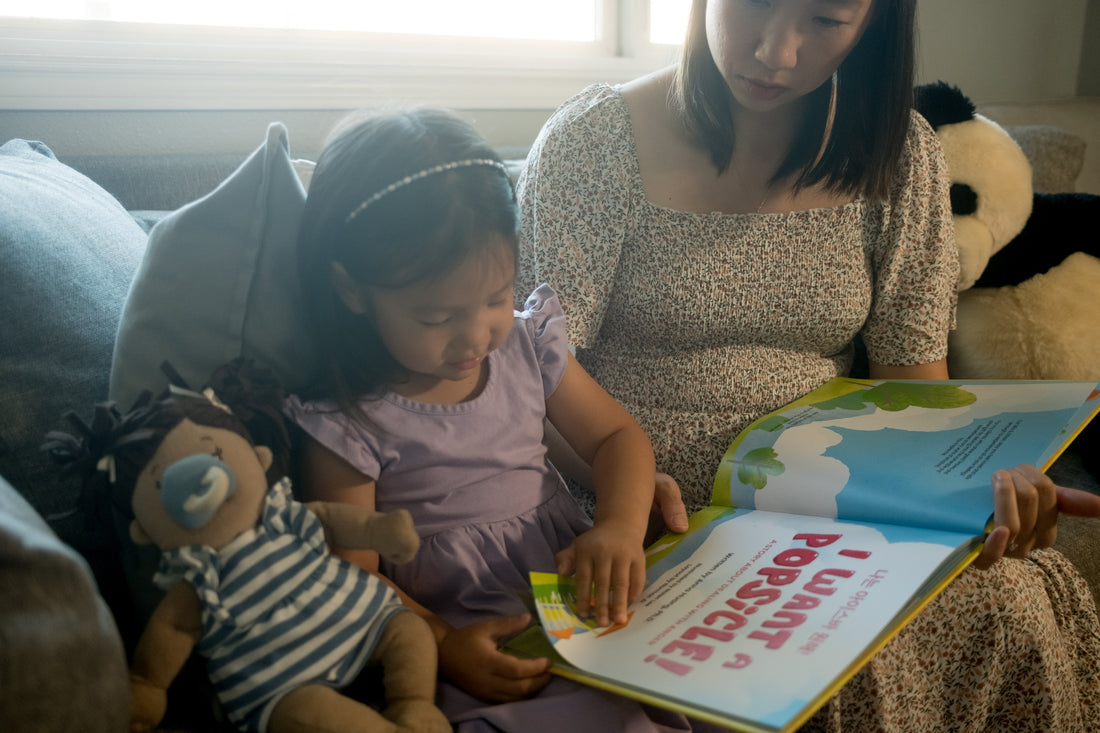
Reading bilingual books together is a wonderful way for families to bond. For bilingual households, these books offer an opportunity to share cultural heritage. Even in monolingual families, they introduce a fun and interactive way to learn together, deepening emotional connections between parents and children. Children often struggle to articulate their feelings, but bilingual children's books provide tools to help them express themselves. By seeing how emotions are described in two languages, they gain a broader vocabulary for discussing their own experiences.
How to read bilingual books when you are not fluent
Many parents worry that introducing two languages might confuse their child or delay language development. However, research consistently shows that bilingualism enhances cognitive and emotional growth. You do not need to be fluent to read bilingual books with your child. You can start with the words you know, listen together, or read one language at a time. The connection matters more than perfect pronunciation.
Where our books fit in
If your family is starting with big feelings, our books are organized around real moments kids already know. I Want A Popsicle! helps with anger. When Mom Goes Out helps with sadness and goodbyes. The Big Slide helps with fear. You do not have to read them perfectly. You just have to read them together.
Frequently Asked Questions
Why are bilingual books important for young children?
Bilingual books can help children build language, stay connected to family culture, and hear feelings named in more than one way. For little kids, that can make emotions easier to talk about.
Do I need to be fluent to read bilingual books with my child?
No. You can start with the words you know, listen together, or read one language at a time. The connection matters more than perfect pronunciation.
How do bilingual books help emotional development?
They give children more words for their inner world. When a child can name a feeling, they have a better chance of asking for help instead of only showing it with their body.